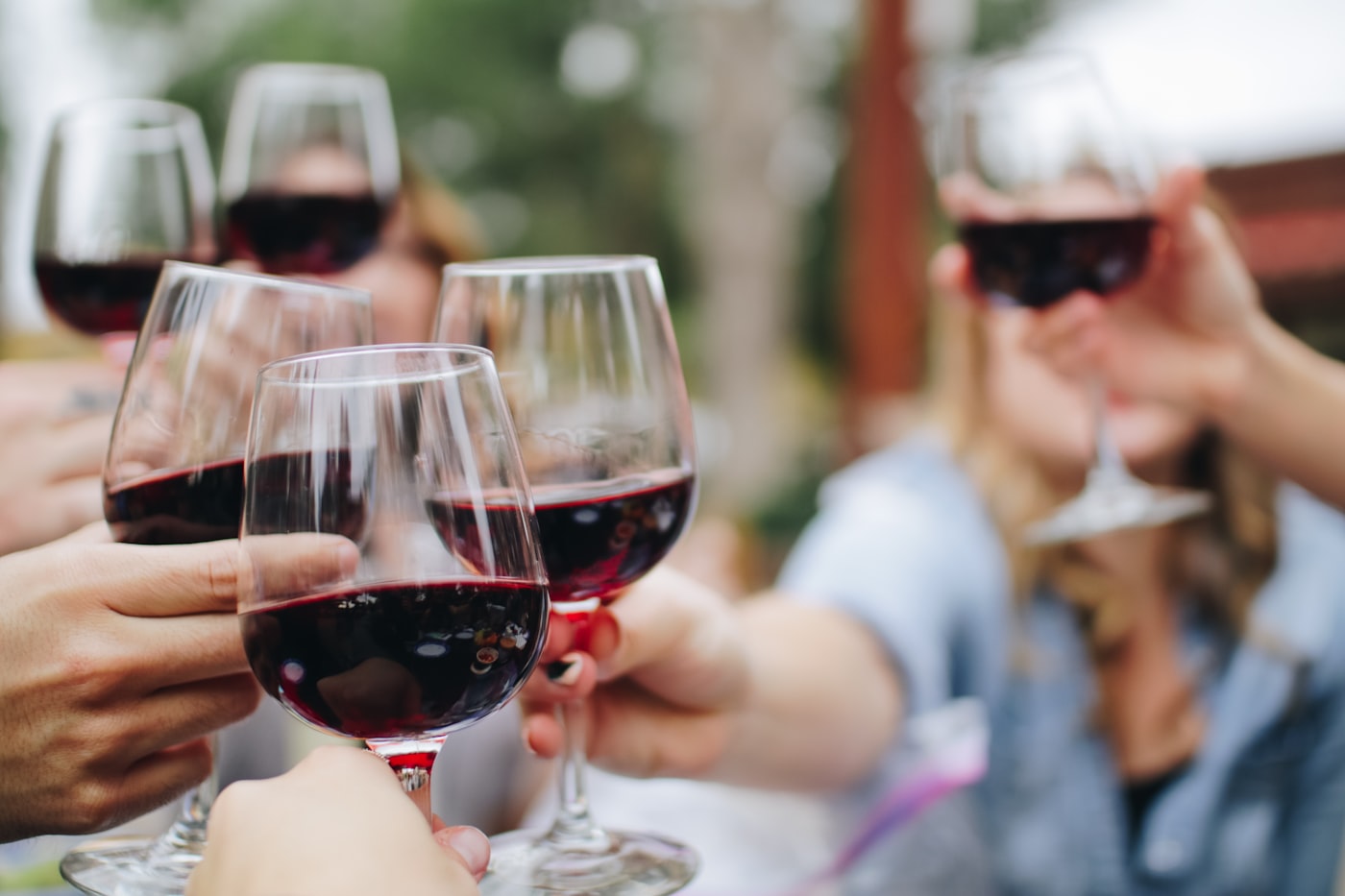
I've walked this 700-meter stretch of Martiros Saryan Street at least twice a week for the last three years—not because I'm romantic about it, but because this is where most of the city's serious wine cellars clustered without planning to. The density happened naturally: one sommelier opened, another followed, landlords saw the foot traffic and adjusted rents upward. Now you have seven venues within shouting distance, each with a different approach to the cellar model. I'm giving you a three-hour route that costs about 12,000 dram for two people, assumes you're walking in around 6 PM on a weeknight, and prioritizes learning something instead of just checking boxes.
This is not a pub crawl. You're not here to get horizontal. You're here to understand how Armenian autochthones (Areni, Voskehat, Kangun) sit next to Georgian qvevri wines and small French importers, all in a six-block radius. I'll tell you which venues pour honest 150ml glasses, which sommeliers can talk you through a vertical, and where the by-the-glass list is actually rotated weekly instead of sitting for months. I'll also tell you what to skip.
Stop One: In Vino – The Pedagogy Cellar
Why Start Here
You start at
because it's the most educational first stop on the strip. Located at 6 Martiros Saryan, this cellar has been run by the same owner since 2017, and the sommelier on weeknights—Armen—spent two years working harvest in Areni before moving to Yerevan. That biography matters because when you ask about the 2019 Zorah Karasi, you get fermentation detail instead of marketing copy. The by-the-glass list rotates every Wednesday; I've seen it swing from all-Armenian weeks to Georgian qvevri months to small Languedoc producers. Average pour is 150ml, which is honest. A glass of the Voskevaz Voskehat runs 2,200 dram, the Zorah Areni Noir 2,800. You're spending about 5,000 dram for two glasses here.
The space is below street level—stone walls, low ceilings, thirty seats. Walk-ins work on weeknight evenings; Fridays and Saturdays you want to call ahead (041 24-00-24). The cheese board is 3,500 dram and comes with local cow's milk cheeses from Lori, walnut, and lavash crisps. I've ordered it a dozen times; the selection doesn't shift much, but the quality is stable. Skip the charcuterie—it's pre-sliced and sits.
What to Pour
If you're new to Armenian wine, start with the Voskevaz Voskehat. It's a white autochthone, fermented in stainless, with stone-fruit and chamomile notes. Clean, no oak, food-friendly. If you want to understand what qvevri aging does to Areni, ask for the Zorah Karasi—six months on skins in buried clay. The tannin structure is the point; you're tasting phenolics, not fruit. Armen will pour you a comparative tasting if you ask politely and the bar isn't slammed.
Stay for thirty minutes. Take notes if you're that person. You're building a baseline for the next two stops.
Stop Two: Wine Republic – The Import Specialist
The Walk and the Pivot
From In Vino, walk north on Saryan for about 400 meters, then cut west on Tamanyan. You'll hit
at 2 Tamanyan Street in under ten minutes. This venue sits just outside the core Saryan strip, but I'm including it because the import list is the deepest in the city—over 200 labels, half of them French, the rest split between Italy, Georgia, and a rotating selection from Austria and Greece. The sommelier, Lilit, worked three years at a Tbilisi natural-wine bar before returning to Yerevan. She knows her growers.
The aesthetic is different—brighter, more commercial, louder on weekends. But the cellar is temperature-controlled, the stemware is Zalto, and the by-the-glass list has twelve options that actually move. I've never been poured an oxidized glass here, which is more than I can say for some of the tourist traps closer to Republic Square.
What to Pour Here
You've already tasted Armenian and Georgian at In Vino, so pivot to a small French producer. Ask for the Domaine de la Pépière Muscadet—it's 2,400 dram a glass, sur lie, and it shows you what extended lees contact does to texture. If Lilit has the Slobodné Sýry Grüner Veltliner (a Slovak natural-wine project), take it—it's floral, slightly funky, and costs 2,800 dram. You're spending another 5,000-6,000 dram for two glasses here.
The food menu is longer than In Vino's, but I usually skip it. The duck confit is inconsistent, and the truffle pasta is a tourist upsell. If you're hungry, order the burrata with heirloom tomatoes (3,200 dram)—it's simple, and they don't oversalt it.
Stay for forty minutes. This is your mid-route anchor. You're not rushing.
I've walked clients through this exact sequence—Armenian autochthones, then qvevri, then a clean French pour—and the pedagogical logic works every time. You taste the terroir first, then the technique, then the tradition. It's not about volume; it's about sequence.
Stop Three: Wild Card – Either PaPa Pizza or Florence
The Decision Point
By now you're about ninety minutes in, and you need to decide: do you want a third wine-focused stop, or do you want to close with food and a lighter pour? If you're still sharp and curious, walk back east on Saryan to
at 40 Dzorapi Street. This is an Italian spot with a twenty-label wine list and a wood-fired oven. The Chianti Classico Riserva is 3,200 dram a glass, and the pizza Margherita is 2,800 dram. The crust is Neapolitan-style, charred edges, good chew. I've brought sommelier friends here after tastings, and nobody complains.
If you want to pivot to Armenian food and close the evening with something fuller, walk to
at 64 Barbusse (technically one block off Saryan, but it's a three-minute walk). The wine list is shorter—mostly Armenian producers, a few Georgian qvevris—but the kitchen does a solid khorovats platter (5,500 dram for two) and the dolma is housemade daily. The Areni Noir here is 2,400 dram a glass, and they'll pour you the Voskevaz rosé if you want something lighter (2,000 dram). I come here when I'm hosting visitors who want to eat, not just drink.
What to Pour at Stop Three
At PaPa Pizza, the Chianti Riserva. At Florence, the Voskevaz Areni Noir if you haven't tried it yet, or the Old Areni reserve if you want to see what two years in French oak does to the varietal (3,200 dram). Both venues pour honest 150ml glasses. Neither will upsell you.
You're spending 5,000-7,000 dram here depending on whether you order food. Total route cost for two people: 12,000-15,000 dram if you skip the cheese boards and pizza, closer to 18,000 if you eat at every stop.
Logistics and Timing
When to Walk This
Weeknight evenings, 6-9 PM. Fridays and Saturdays the strip gets crowded, and you'll wait for tables at In Vino and Wine Republic. Sundays are quieter, but some venues close early or run limited lists. I've walked this route in January and in July; the cellar temperatures don't shift, but the foot traffic does. Summer evenings you'll see more outdoor seating on Saryan; winter pushes everyone below ground.
What to Bring
Comfortable shoes—this is a walking route. A light jacket if it's past 8 PM, even in summer. Your phone for notes if you want to remember producer names. Don't bring a large bag; the cellars are tight, and you'll be annoyed.
What to Skip
Skip the tourist wine bars closer to Republic Square—they pour 100ml "glasses" at 150ml prices, and the lists haven't been updated since 2021. Skip the hotel wine bars unless you're staying there and it's past 11 PM. Skip any venue that puts a QR-code wine list in front of you without offering a printed menu—it's a red flag that the selection is broad but shallow.
The Cellar Scene, Honestly
Yerevan's wine culture is about eight years old in its current form. Before 2016, you had hotel bars and a few importers selling to restaurants, but the cellar-bar model—small spaces, deep lists, working sommeliers—didn't exist at scale. The Saryan strip coalesced because the rents were lower than Cascade or Abovyan, and the first few owners were serious about wine, not just atmosphere. That seriousness attracted other serious people, and now you have a cluster.
It's not perfect. Some venues still over-chill their reds, and I've seen stemware that should've been replaced two years ago. But the knowledge base is real. The sommeliers talk to each other, they visit the same Areni producers, they share notes on new importers. That collegial culture is why I send visitors here instead of to the big tourist restaurants downtown.
What You'll Learn
By the end of three hours, you'll understand the difference between a stainless-fermented Voskehat and an oak-aged one. You'll know what qvevri tannins feel like on your palate. You'll have tasted at least one small French producer you can't find outside Yerevan. You'll have walked a neighborhood that's changing fast—new cafes, new galleries, rising rents—but still feels residential at 9 PM on a Tuesday. And you'll have spent less than you would at a single tasting menu downtown.
That's the route. I walk it twice a week because it's my job, but also because it's the most efficient way to stay current on what's pouring, who's importing, and which producers are worth tracking. If you're in Yerevan for more than a few days and you care about wine, this is where you start.
I'm on Telegram at @rubensomm—I post weekly updates on new pours and producer visits. If you want to read more about Armenian autochthones and the Areni revival, check the Dish.am guide to Vayots Dzor wineries. And if you walk this route, let me know what you poured. I'm always curious.